

Abstinence the Best Pregnancy Prevention Method in Zimbabwe
Synopsis
Qualitative study lifted to explore adolescents', parents', Teachers' and Policy makers perception about abstinence as a means of preventing pregnancies, addressing its effectiveness, acceptability and problems with promoting it in rural Zimbabwe. Research gap this study will fill is that there is no empirical qualitative evidence of the perceptions of abstinence-only programme and its effectiveness in the Zimbabwean context. Purposive sampling was employed to identify 15 participants of 6 learners, 2 counsellors, 2 teachers, 4 parents and 1 official of Ministry of Primary and Secondary Education Primary and Secondary Education involved in the focus group discussions for whom informed consent and confidentiality was ensured and data subjected to thematic analysis. One major discovery was that abstinence was seen as the most culturally acceptable birth control option, but it was limited by the absence of sound sex education, peer pressure and imbalance of power in the relationship between an adolescent and his or her significant other. The study suggests that abstinence education be placed in a sex education programme, as part of a comprehensive programme.
Keywords: abstinence, adolescent pregnancy, prevention, sex education, Zimbabwe
Downloads
Published
8 September 2026
Copyright (c) 2026 Munyaradzi Chidarikire; Eugenia Mabika, Netsai Kumpewu, Miriam Masikati, Lilian Chaminuka, Tinevimbo Shumba, Pinias Chikuvadze, Cecilia Muza, Theresia Joakim Kanyopa, Juliet Kamwendo, Alice Kuyayama, Moses Kufakunesu, Joel Marashe, Olivia Kaila, Vongai Mazivazvose, Brenda Muchopa-Chatira, Yolanda N. Tshuma, Margaret Machingambi, Shupikai Zebron, Prudence Mavhemwa, Nozihle Ncube, Abraham Maposa, Everjoy Masanjala, Mildred Kudzanai Chanhuwa, Herbert Muradzikwa, Nkululeko Sibanda, Prince Chidarikire, Patience Marashe
How to Cite
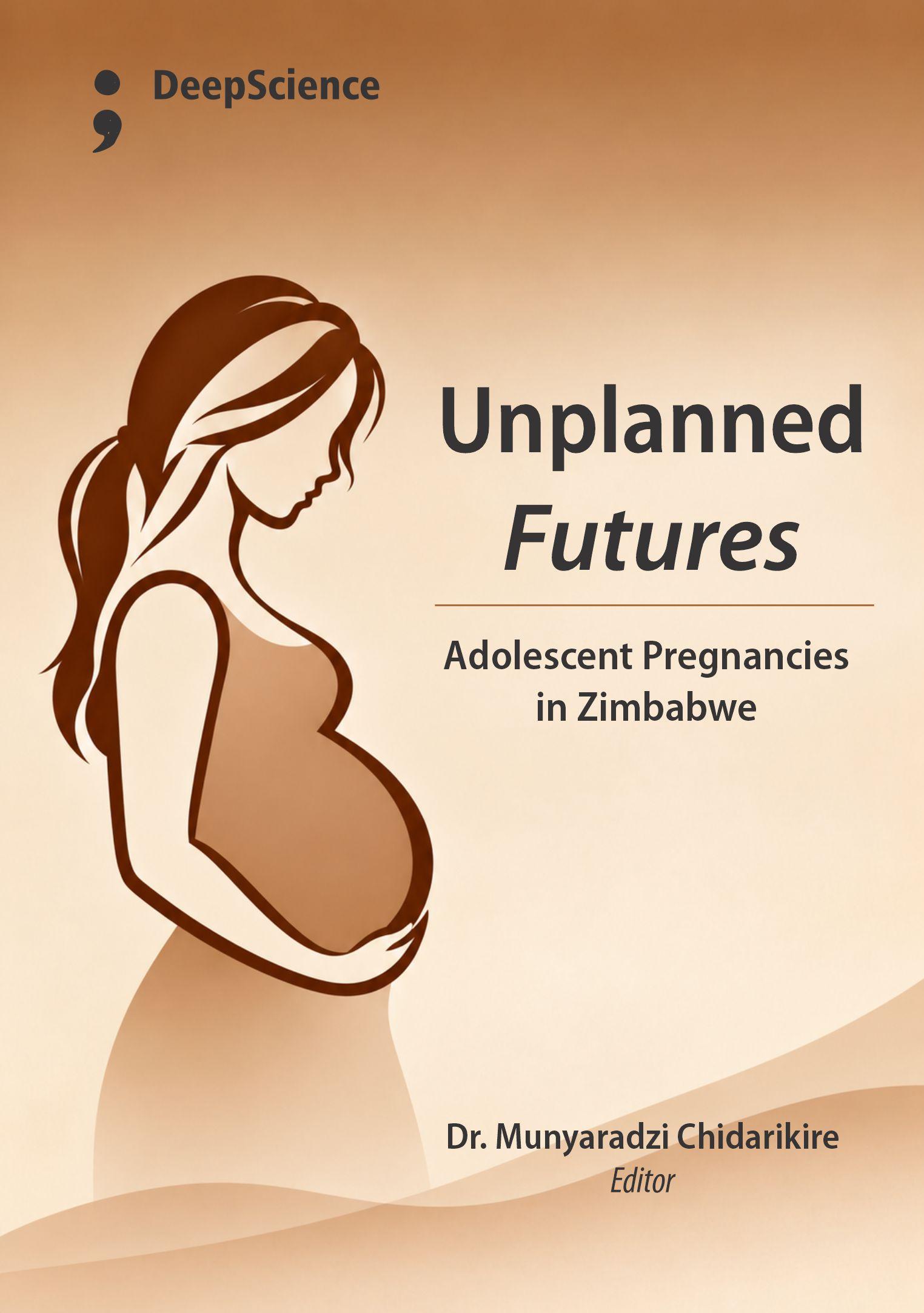
Chidarikire, M., Kuyayama, A. ., & Kufakunesu, M. (2026). Abstinence the Best Pregnancy Prevention Method in Zimbabwe. In M. Chidarikire (Ed.), Unplanned Futures: Adolescent Pregnancies in Zimbabwe. Deep Science Publishing. https://doi.org/10.70593/978-81-6632-030-9_17
Download Citation









 WhatsApp +91 7977171947