

Exploring Mobile Phone-Based Counselling Interventions for Preventing Early Unintended Child Pregnancies among Adolescents in Zimbabwe
Synopsis
Mobile phone based counselling interventions for the prevention of early unintended child pregnancies were explored in this study in Zimbabwe. The research was interpreted through an interpretivist paradigm and utilized a qualitative approach (case study) to gain insight into respondents' experiences and interpretation of the role of mobile counselling for the SU of adolescents. Data were gathered using one-on-one interviews of four purposely selected participants; two trained counsellors, one programme coordinator and one official from the Ministry of Primary and Secondary Education of Health and Child Care. Braun and Clarke's six-step approach to thematic analysis (2006) was used to analyse data, with member checking to establish the authenticity of data. Three key themes were identified from the findings. One, mobile phone-based counselling was felt to provide a means to improving adolescents' access to sexual and reproductive health information, services and care, which in rural communities was less available or convenient in physical health facilities. Secondly, the impact of the intervention was limited by issues such as access to phones and network connectivity, the cost of airtime and data, parents restricting access to phones in the home, and a lack of a standardised framework for regulation of service providers. Thirdly, the respondents suggested a way of strengthening the intervention such as the involvement of mobile network operators, accreditation of standards, linkage with school and health referral structures, sensitising communities to build trust of parents, and so on. The conclusion of the study was that mHealth acts as a counselling tool has great potential as a prevention strategy, albeit one that could be best implemented with concerted investments in mobile phone access, provider accreditation and community engagement. Adolescents, counsellors, parents, Ministry of Primary and Secondary Education of Health Services and Child Care and implementers of the programme were recommended to promote the coverage and safety of the mobile counselling as pregnancy prevention tool.
Keywords: mobile phone counselling, adolescent pregnancy, Mental Health, Zimbabwe, digital intervention, school dropout
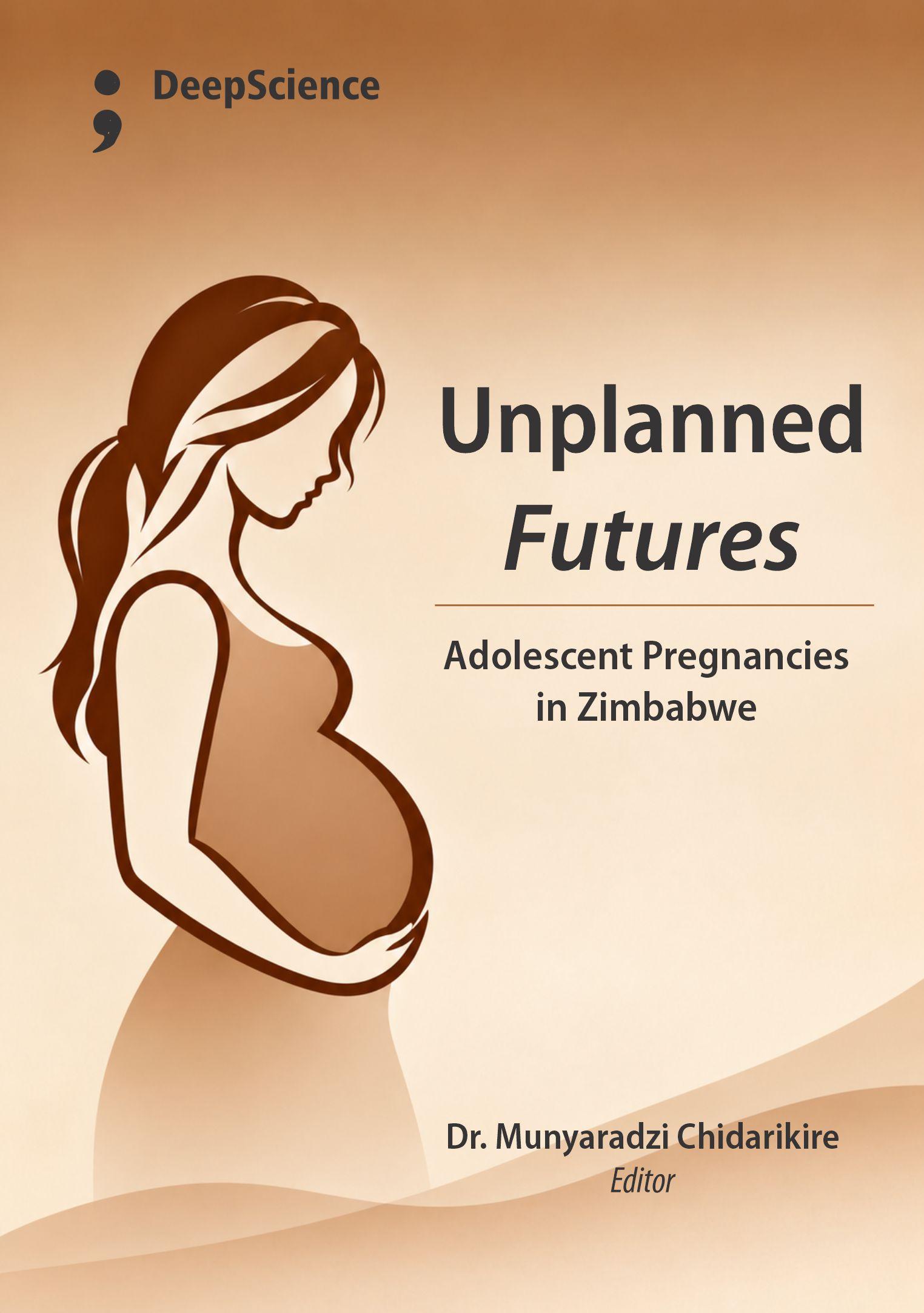
Downloads
Published
8 September 2026
Copyright (c) 2026 Munyaradzi Chidarikire; Eugenia Mabika, Netsai Kumpewu, Miriam Masikati, Lilian Chaminuka, Tinevimbo Shumba, Pinias Chikuvadze, Cecilia Muza, Theresia Joakim Kanyopa, Juliet Kamwendo, Alice Kuyayama, Moses Kufakunesu, Joel Marashe, Olivia Kaila, Vongai Mazivazvose, Brenda Muchopa-Chatira, Yolanda N. Tshuma, Margaret Machingambi, Shupikai Zebron, Prudence Mavhemwa, Nozihle Ncube, Abraham Maposa, Everjoy Masanjala, Mildred Kudzanai Chanhuwa, Herbert Muradzikwa, Nkululeko Sibanda, Prince Chidarikire, Patience Marashe
How to Cite
Sibanda, N. ., & Zebron, S. . (2026). Exploring Mobile Phone-Based Counselling Interventions for Preventing Early Unintended Child Pregnancies among Adolescents in Zimbabwe. In M. Chidarikire (Ed.), Unplanned Futures: Adolescent Pregnancies in Zimbabwe. Deep Science Publishing. https://doi.org/10.70593/978-81-6632-030-9_7
Download Citation









 WhatsApp +91 7977171947