

Alternative Fuels – Biofuels, Hydrogen, Syngas
Synopsis
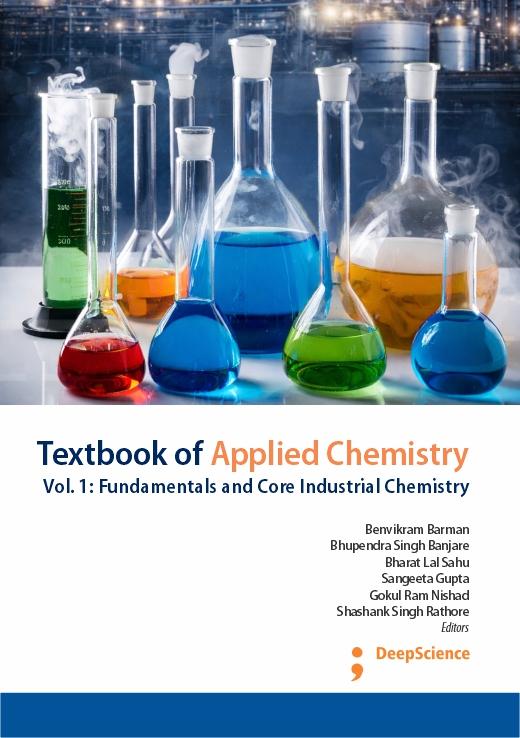
This chapter discusses the topic of alternative fuels and concentrates on biofuels, hydrogen, and syngas, their production, properties, their use in industry, and their importance to the environment. Biofuels are renewable energy sources that can be produced out of biomass, vegetable oils and waste products, and these fuels decrease reliance on fossil fuels. Hydrogen is offered as a clean carrier of energy, and the only by-product upon combustion is water, which makes it suitable for fuel cell and sustainable energy use. Syngas is a mixture of H2 and CO, formed through the process of gasification of natural gas, biomass, or coal, and it is used as a flexible precursor in chemical production and energy production. It talks about methods of production, energy content, storage, handling and industrial use in the generation of power, transport and chemical manufacture. The positive environmental effects (such as the decreased emission of greenhouse gases and sustainable use of resources) are discussed, as well as such drawbacks as high costs of production, storage security, and technology. Using a combination of chemical principles, process engineering and industrial case studies, students can understand how to design and implement alternative fuel technology. Renewable energy, environmental engineering, sustainable transportation and chemical process development careers all depend on the knowledge of alternative fuels.
Downloads
Pages
333-346
Published
10 February 2026
Copyright (c) 2026 Dr. Benvikram Barman, Dr. Bhupendra Singh Banjare; Dr. Manoj Kumar Banjare; Dr. Bharat Lal Sahu, Dr. Sangeeta Gupta, Mr. Gokul Ram Nishad, Mr. Shashank Singh Rathore; Mrs. Hema R. Tandon, Mrs. Neelam Ram Dhansay, Dr. Toshikee Yadav, Mr. Santosh Kumar Dahariya, Ms. Aditi Banjare, Mr. Ganesh Ram Kurrey; Mrs. Poonam Thawait; Mr. Chitresh Kumar Bareth, Mr. Rupendra Kumar , Dr. Sandhya Rani Panda, Dr. Manisha Thakur, Dr. Prachi P Nimje, Mr. Ajhar Ali, Mr. Rupesh Kumar, Ms. Shaesta Jabeen, Dr. Tula Ram Sahu, Ms. Namrata Tamboli, Mr. Pradeep Kanher, Mr. Seecharan Banjare , Ms. Suman R. Tirkey, Mr. Yashwant Raj Mahilane, Dr. Swati Chandrawanshi, Mr. Sudhanshu Kumar Giri, Mr. Sagar Kumar Rajak, Dr. Akansha Ekka, Dr. Jyoti Diwan, Dr. Khilawan Patel, Mr. Mukesh Kumar Patel, Mrs. Madhuri Patel, Chitrakiran Patel, Dr. Manoj Kumar Banjare, Dr. Prachi P Nimje, Dr. Sandhya Rani Panda, Mr. Prakashmani Sahu
How to Cite
Ekka, A. (2026). Alternative Fuels – Biofuels, Hydrogen, Syngas. In B. Barman, B. S. Banjare, B. L. Sahu, S. Gupta, G. R. Nishad, & S. S. Rathore (Eds.), & P. Thawait, Textbook of Applied Chemistry (pp. 333-346). Deep Science Publishing. https://doi.org/10.70593/978-93-7185-430-6_27
Download Citation





 WhatsApp +91 7977171947