

Solid Fuels – Coal, Coke, Charcoal
Synopsis
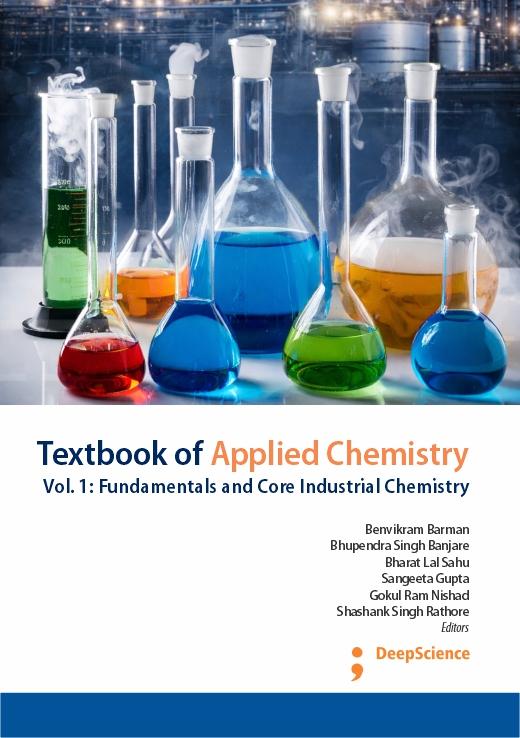
This chapter concerned solid fuels e.g. coal, coke and charcoal, its composition, calorific value as well as its industrial significance. Solid fuels are fuels that are made out of carbon and are burned to become energy used in the industries and electricity retreats or used at home. Chapter explains the chemical make-up of coal including carbon, hydrogen, sulfur, nitrogen and ash contents and explains their environmental impacts on the calorific value and combustion properties. Coke is obtained by carbonization of coal and is even mentioned to be involved in the metallurgy particularly in blast furnace in the process of making iron and steel. Charcoal is a waste of wood which undergoes a process called pyrolysis and is discussed in connection with its application in smelting, cooking and chemical industries. The other environmental concerns that are considered in the chapter are the processes of combustion, efficiency optimization, and emission, ash disposal and the control of the pollutants. The concerns and problems like fuel selection, storage and management in industries are discussed in a bid to reveal efficiency and viability of activities. Using the principles of chemistry and industry, students can obtain the idea concerning the energy production, fuel description, and management of the environment. Energy engineering, metallurgy, environmental science, optimization of industrial processes require knowledge of solid fuel, and in this respect, they are still used in energy and industry industries.
Downloads
Pages
305-317
Published
10 February 2026
Copyright (c) 2026 Dr. Benvikram Barman, Dr. Bhupendra Singh Banjare; Dr. Manoj Kumar Banjare; Dr. Bharat Lal Sahu, Dr. Sangeeta Gupta, Mr. Gokul Ram Nishad, Mr. Shashank Singh Rathore; Mrs. Hema R. Tandon, Mrs. Neelam Ram Dhansay, Dr. Toshikee Yadav, Mr. Santosh Kumar Dahariya, Ms. Aditi Banjare, Mr. Ganesh Ram Kurrey; Mrs. Poonam Thawait; Mr. Chitresh Kumar Bareth, Mr. Rupendra Kumar , Dr. Sandhya Rani Panda, Dr. Manisha Thakur, Dr. Prachi P Nimje, Mr. Ajhar Ali, Mr. Rupesh Kumar, Ms. Shaesta Jabeen, Dr. Tula Ram Sahu, Ms. Namrata Tamboli, Mr. Pradeep Kanher, Mr. Seecharan Banjare , Ms. Suman R. Tirkey, Mr. Yashwant Raj Mahilane, Dr. Swati Chandrawanshi, Mr. Sudhanshu Kumar Giri, Mr. Sagar Kumar Rajak, Dr. Akansha Ekka, Dr. Jyoti Diwan, Dr. Khilawan Patel, Mr. Mukesh Kumar Patel, Mrs. Madhuri Patel, Chitrakiran Patel, Dr. Manoj Kumar Banjare, Dr. Prachi P Nimje, Dr. Sandhya Rani Panda, Mr. Prakashmani Sahu
How to Cite
Banjare, A. (2026). Solid Fuels – Coal, Coke, Charcoal. In B. Barman, B. S. Banjare, B. L. Sahu, S. Gupta, G. R. Nishad, & S. S. Rathore (Eds.), & P. Thawait, Textbook of Applied Chemistry (pp. 305-317). Deep Science Publishing. https://doi.org/10.70593/978-93-7185-430-6_25
Download Citation







 WhatsApp +91 7977171947