

Bridging Gaps in PCOS Care: The Nanotechnology Revolution Begins
Synopsis
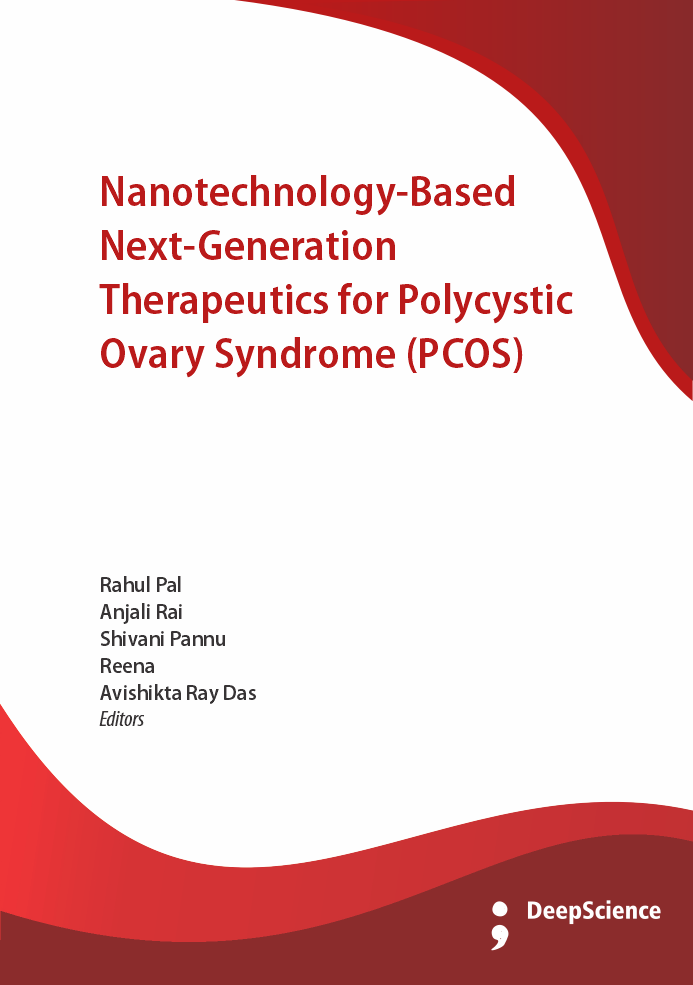
Polycystic ovary syndrome (PCOS) is a rather complex endocrine and metabolic disorder with multiple factors involved, and it is a disorder that affects the lives of millions of women worldwide. Among its symptoms are hormone imbalance, high blood sugar levels, lack of ovulation, and inflammation. These together lead to the syndrome being the main reason for women's infertility caused by anovulation. Even though there are remarkable improvements in diagnostics and drug therapies, the traditional medical strategies for PCOS treatment are often hindered by limitations such as non-specificity, poor bioavailability, high chances of adverse effects and diminishing long-term efficacy. Hence the call for more precise and effective treatment methods is louder than ever. Nanotechnology is a novel approach to this crying need that can give breakthroughs through advanced drug delivery systems at the molecular level. The researchers have come up with various nanotechnology-based formulations-polymeric nanoparticles, solid-lipid nanoparticles, and nanoemulsions-that provide many advantages, including better bioavailability, longer systemic half-life, and lesser inflammatory responses. The anti-diabetics, hormone modulators, insulin sensitizers, and anti-inflammatory phytochemicals have been among the categories of drugs that have been delivered via these nanoformulations. Nanomedicine has not only made the delivery of the drugs more precise but has also opened up the area of gene therapy and ovarian-targeted delivery. This makes personalized and regenerative treatments in reproductive endocrinology possible. The conjugation of targeted ligands further escalates the accuracy of drug delivery, thus magnifying therapeutic efficacy and minimizing adverse effects at the same time. This chapter deals with the pathophysiology of PCOS, elaborates the therapeutic role of nanomedicine in its management and gives an overview of the newest developments in nanotechnology-based treatment strategies.
Downloads
Pages
1-20
Published
15 July 2025
Copyright (c) 2025 Mr. Rahul Pal (Young Scientist), Ms. Anjali Rai, Ms. Shivani Pannu, Km. Reena, Dr. Avishikta Ray Das; Jhilli Basu, Jyoti Devi, Diksha Chauhan, Priya Jaswal, Binita Ghosh, Shantanu Prajapati, Sushant Mouraya, Sneha Patil, Nikhil Rajnani, Monal Jain, Nalini Kurup , Ranjan Kumar Singh, Komal Sharma, Mantun Prasad Gupta, Ravikant, Mahesh Singh Rajpurohit, Vaibhav Saxena, Ajay Garg, Raman Kumari, Priyanka Rani, Kamal Kumar Daal, Sami Ahmad, Sneha Chauhan, Sheelendra Kumar, Hemant Sharma, Rishabh Gupta, Shweta Singh, Tanuja, Harsh Goswami, Abhishek Tyagi, Sonal Sharma, Subhanshi Vishwas, Sami Ahmad, Kamal Kumar Daal, Divyansh Bhatnagar, Rishabh Gupta, Shweta Singh, Vandna Tiwari, Subhanshi Vishwas, Shivang Shukla, Sushant M. Ahire, Prerana S. Pawar, Shivraj P. Jadhav, Vijay V. Shewale, Chandrashekhar D. Patil, Sunil K. Mahajan, Subhanshi Vishwas
How to Cite
Basu, J. ., Devi, J. ., Chauhan, D. ., Jaswal, P. ., & Ghosh, B. . (2025). Bridging Gaps in PCOS Care: The Nanotechnology Revolution Begins . In R. Pal, A. Rai, S. . Pannu, Reena, & A. R. . Das (Eds.), Nanotechnology NextGen: From Treatment to Transformation in Polycystic Ovary Syndrome (PCOS) (pp. 1-20). Deep Science Publishing. https://doi.org/10.70593/978-93-7185-087-2_1
Download Citation






 WhatsApp +91 7977171947