

Data Governance, Trust, and Responsible AI Operations
Synopsis
An organization generates and collects vast amounts of data on a daily basis through day-to-day operations: supplier and customer transactions; labor operations; website access; digital marketing; product and equipment usage; and online and internal communications. However, many organizations do not have data governance policies or organizational structures to ensure that these vast amounts of data are organized and secure; comply with relevant laws and regulations; are of sufficient quality; can be used in a timely manner; and can be exposed to users, departments, and systems that have the appropriate rights. Data within organizations needs to be managed like other organizational assets in order to derive value, yet it is often viewed and managed as a by-product of other operations. The lack of data management processes can lead to issues, such as excessive time spent searching for information, difficulties in ensuring compliance with privacy regulations, poor product quality, inability to meet customer needs, security breaches, and, more seriously, costly fines and loss of reputation, key customers, and business.
Downloads
Volume
Pages
129-145
Published
10 February 2026
Copyright (c) 2026 P S L Narasimharao Davuluri
How to Cite
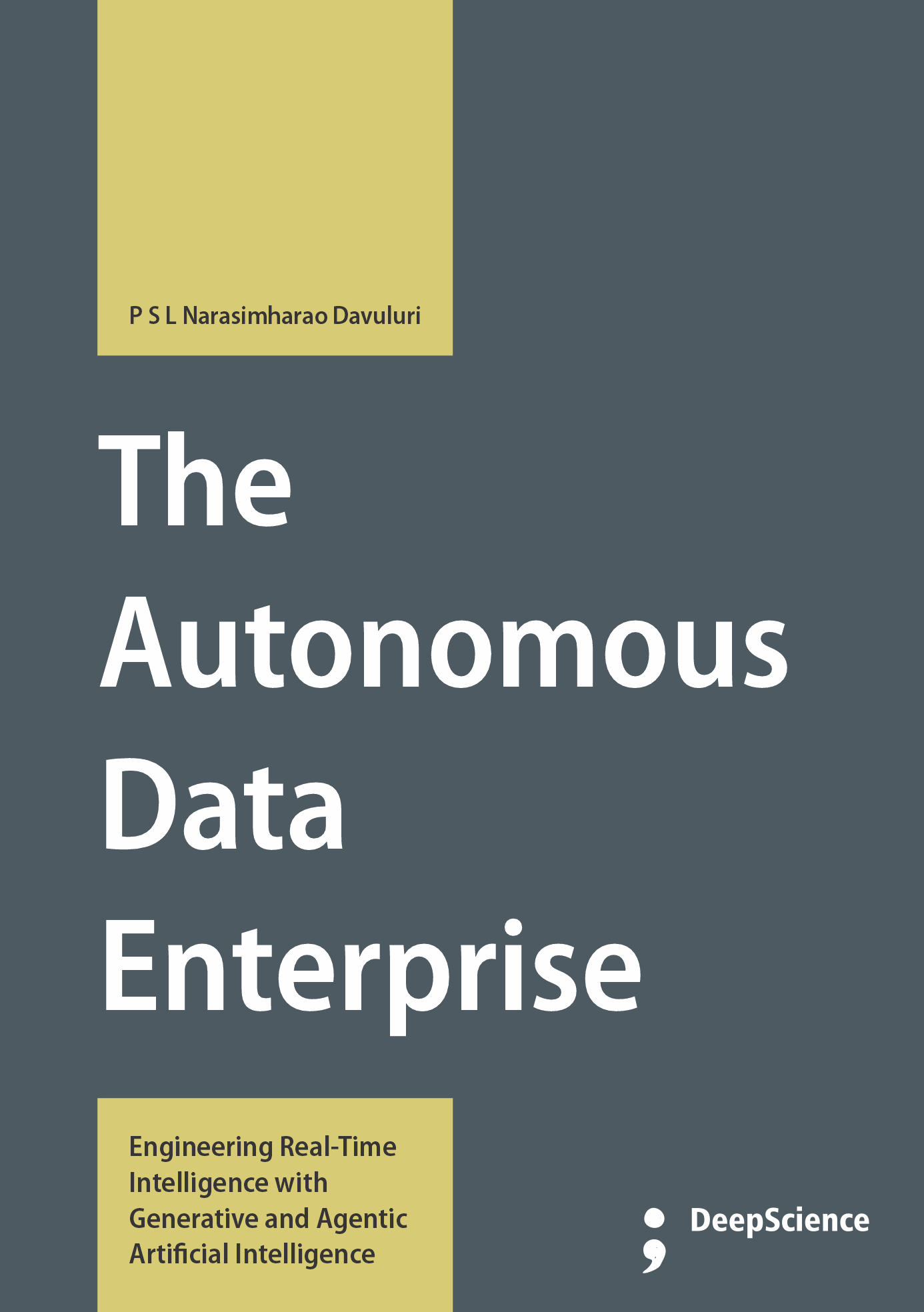
Davuluri, P. S. L. N. . (2026). Data Governance, Trust, and Responsible AI Operations. In The Autonomous Data Enterprise: Engineering Real-Time Intelligence with Generative and Agentic AI (pp. 129-145). Deep Science Publishing. https://doi.org/10.70593/978-93-7185-592-1_9
Download Citation








 WhatsApp +91 7977171947