

Virtual Reality Against Pain Killers
Synopsis
Pain is a frequent clinical issue that is experienced due to surgery, trauma or a chronic illness. The use of conventional drugs like acetaminophen, NSAIDs, opioids and local anaesthetics is commonplace. They however have certain limitations which include side effects, tolerance as well as dependence. The Virtual Reality (VR) is a new, non-pharmacological, and drug-free pain management device. It involves the use of head mounted displays, sound and interactive games or relaxing spaces to pull patients into a virtual environment. Such distraction leads to decreased concentration on pain in the patient and changes brain sensory processing. Burn wound care, dental treatment, physiotherapy, and labour Clinical studies and meta-analyses have demonstrated that VR reduces the level of pain significantly. In other instances, VR had similar effects as opioids such as morphine. In chronic pain, VR has been reported to be beneficial in neck pain and musculoskeletal conditions but the trials are not sufficient. Other positive effects are decreased anxiety, fear and distress in the procedures. Patients present higher levels of satisfaction, increased cooperation, and a higher outcome of rehabilitation. There is no chance of tolerance and addiction, unlike drugs, VR can be reused. VR is also limited, however. Other patients experience cybersickness, dizziness, or discomfort. Epileptic or severely motion-sensitive patients will not be able to use equipment, because it is expensive, needs skilled personnel and is not portable. Analgesics tend to be incomplete thus the pharmacological assistance is still required. To sum up, VR is a beneficial and non-risky pain reliever. It is also effective in the reduction of pain and anxiety, patient comfort and reduction of dependence on pain killers. The future concerns should be personalization, low cost and integration in multimodal pain strategy.
Keywords: Pain, Analgesia, Virtual Reality, Rehabilitation, Patient satisfaction.
Downloads
Pages
74-100
Published
29 December 2025
Copyright (c) 2025 Dhara Patel; Nandini Joshi, Vrusha Jani, Komal Rahevar, Arya Patel, Vaishali Sharma, Janvi Patel, Tejas Patel, Sofiya Patel, Harsh Shirke, Anand Yadav, Satyajit Sahoo, Prasanna Pradhan, Hemanshi Patadiya, Kunj Desai; Grishma Patel, Dhananjay Meshram; Kajal Chavda, Niyati Shah, Mamta Kumari, Chitrali Talele, Piyush Kumar Sadhu, Sushmita Patil, Mukesh Patel, Krushan Joshi
How to Cite
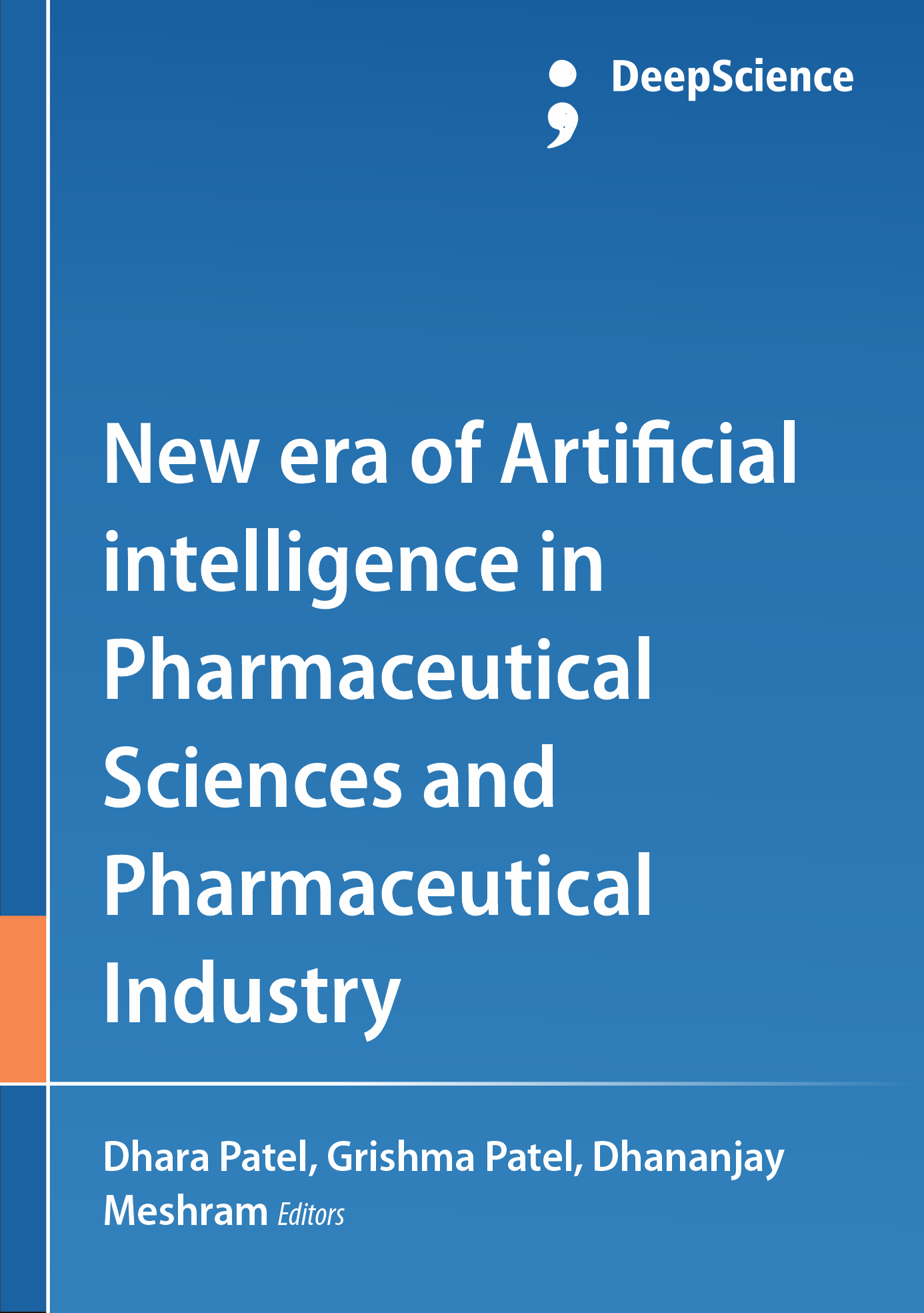
Patil, S., Patel, G. ., Patel, D., Patel, M., & Meshram, D. (2025). Virtual Reality Against Pain Killers. In D. Patel, G. . Patel, & D. Meshram (Eds.), New era of Artificial intelligence in Pharmaceutical Sciences and Pharmaceutical Industry (pp. 74-100). Deep Science Publishing. https://doi.org/10.70593/978-93-7185-272-2_4
Download Citation









 WhatsApp +91 7977171947